About Craig Grella
Two decades behind the scenes of races at every level of office — and two terms as a local elected official. Here's the long version of how I got here, and why Campaign Planner exists.
Hi there. I'm Craig Grella, founder of CampaignPlanner.org.
My professional career started as an engineer after I graduated college. I was a site civil engineer designing shopping centers, residential developments, and commercial / retail centers.
In that role, I traveled throughout the east coast meeting with big-town and small-town mayors, city council members, zoning hearing boards, and residents. The actual work was exactly what we'd done in school, which was great. But in school we didn't learn anything about dealing with governments, clients, or residents who opposed your project.
That was a learning experience — and, to my surprise, it was probably the most fun part of the job.

After a few years working as an engineer I moved out to the west coast and worked with an agency helping their clients with digital marketing. I knew how to code from engineering and was responsible for creating websites, designing and sending emails, and teaching clients how to market their organizations.
I worked mostly with nonprofits and other NGOs that were advocating for certain issues and interacting with their local legislators. I registered to vote when I was 18 years old and I've been politically active ever since, but this was my first real interaction with the politics of running for office, whereas before I had been dealing with elected officials and administrators.
At the time, Google existed — but it still wasn't a place most people went to search. Most people used Lycos, Altavista, or Yahoo. Facebook was live, but no one knew what it was or how to access it. For the most part, social media didn't exist.
Email was starting to gain popularity. Microsoft Outlook had just been created and Apple had their own version of mail which you used if you had a Mac. It was around that time I started volunteering for a nonprofit that was advocating for changing the laws around education, and when I first started interacting with lawyers and nonprofits doing heavy advocacy.
Advocacy Work and Dipping My Toes Into Politics
Over the next few years, I would design and manage literally hundreds of websites for nonprofits and advocacy groups and help them raise tens of millions of dollars almost completely online — through email solicitations and online processing.
It wasn't hard. At that point, people actually read most of the email they received. The hardest part was getting people to trust the online donation process.
I would design sequences of emails and, over time, gain the trust of the people we would solicit — many of whom we were contacting cold off affinity lists or through association mailing partnerships. It was, to put it plainly, the Wild West of online advocacy.
The first political website I did was for a state legislator who was running against a powerful incumbent who we believed no longer had the residents' best interests at heart. Our email program, online presence, and ability to generate volunteers online was simply unmatched — and it propelled us to victory despite being outspent nearly 5 to 1.
It wasn't long after that political candidates would start asking me to work on their sites and email programs too. And I did. A lot of them. And for every level of office.
From school boards in Los Angeles, Florida, Pennsylvania, and New York, to mayors and judges and state legislators in a dozen other states — all the way up to working with or consulting for multiple state caucuses, state political parties, and several presidential campaigns.
There were no templates in place back then. We had to create everything from scratch using what we were learning. We were, as they say, "building the plane as we were flying it."
If there was a calculation that needed to be made, I created a spreadsheet. If there was an email that needed to be written, it went into a document. If there was a web page that needed to be created, that went into a separate document we could recall when needed. If it didn't exist already, I tried to create it.
The engineer in me said: if you're going to do something once, you might as well templatize it so you could repeat it and then scale it. And that's what I did.
I ran digital programs, fundraising programs (online and offline), managed field programs, get-out-the-vote campaigns, managed volunteers, and even created the first help desk ever employed on a presidential race.
We answered nearly 10,000 tickets per day from supporters with a staff of 25 volunteers from around the world and around the clock. After that I ran digital operations at a State Party and ran a successful political consulting company with a partner and several young political staffers — all of whom ran successful campaigns of their own, and several of whom still work on Capitol Hill and in State Legislatures across the country.
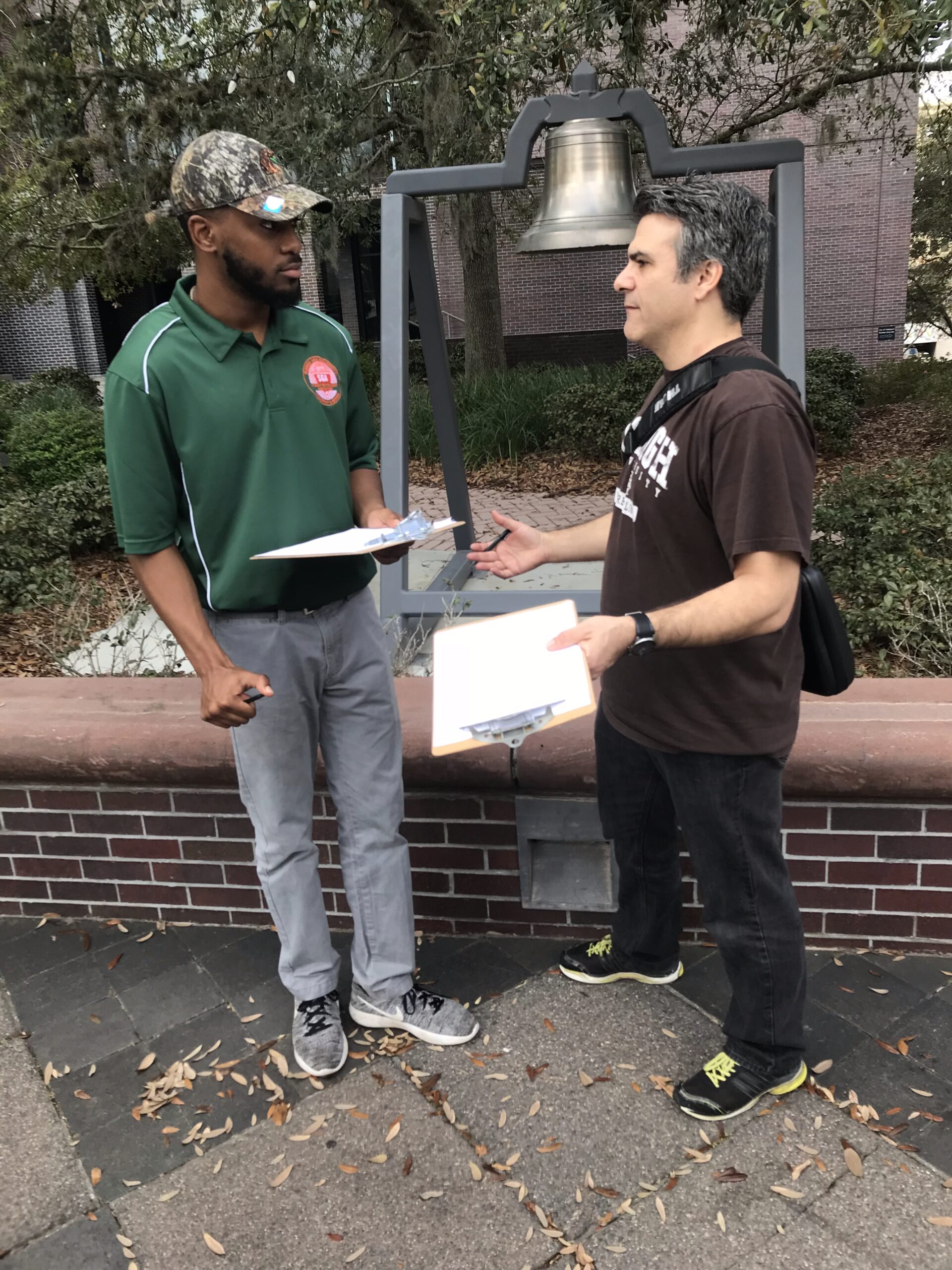
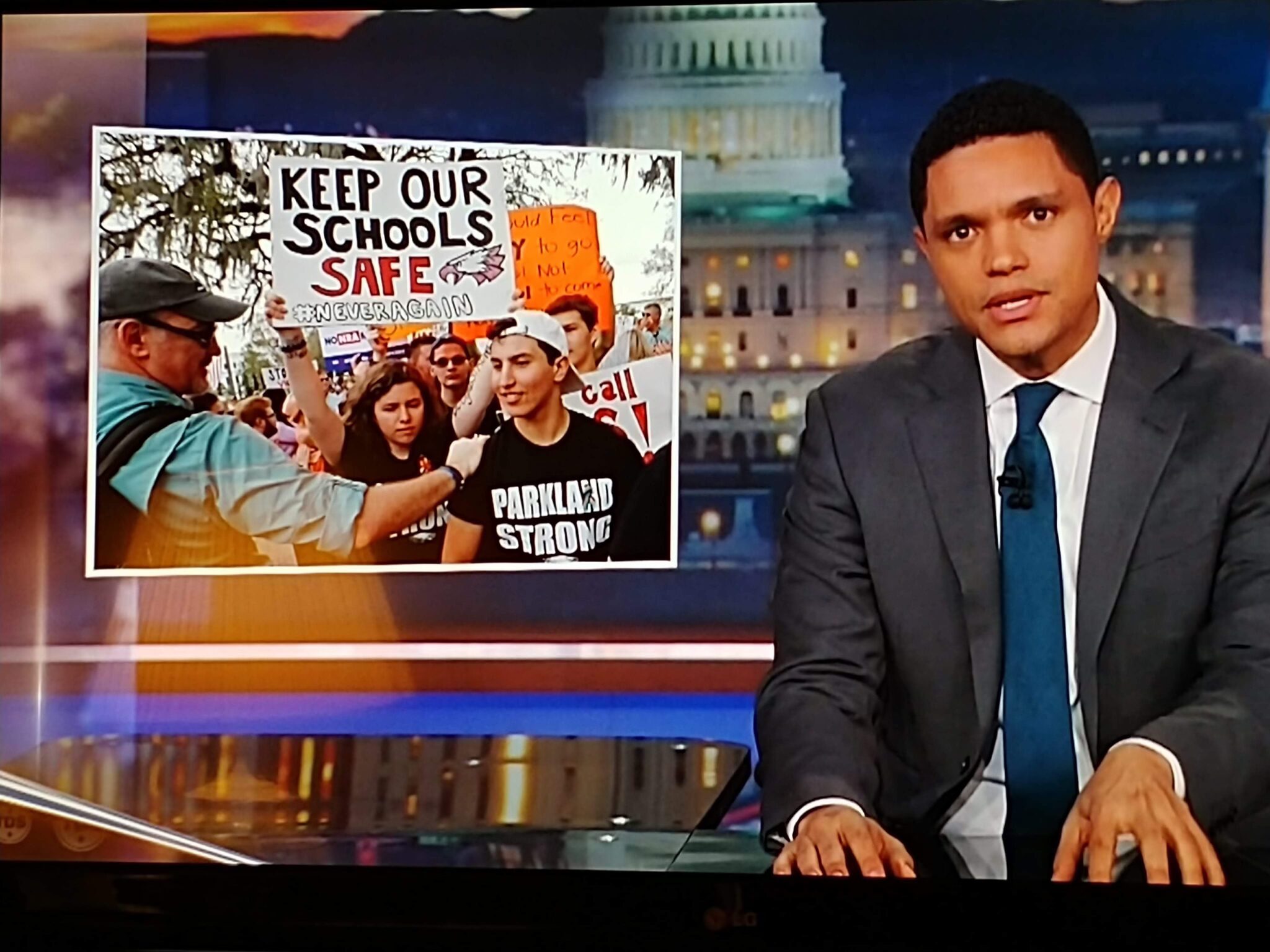
After the Parkland High School shooting in 2018, my consulting partner and I ran a massive petition signature operation in Florida for an organization that was trying to get the Florida legislature to make some changes around gun safety. We collected thousands of signatures in a single day and were featured on The Daily Show with Trevor Noah.
After that, I would go on to manage entire campaigns and digital programs for state legislators, congresspeople, school directors, mayors, city council people, and scores of judges — in several states.
With each new campaign, I would iterate on the processes and material I created — making it better, easier to use, easier to understand, and easier to get into the hands of many people. Some of those documents I created are still in use today at state parties around the country.
For a period of time, I went to work for the largest software provider to political candidates and elected officials. I ran marketing strategy for that organization for several years — serving the majority of Congress and thousands of local candidates and elected officials around the country.
Putting What I Learned to Work on My Own Race
In 2017, I decided to manage a special campaign — my own.
I ran for Commissioner — the local term for a city council member. I was running against a local fireman who knew almost everyone in town and had recently received the Volunteer of the Year award for our municipality of around 35,000 people.
I used everything I had learned over the past two decades — and all the documents I had created — to make my work easier. By then, I had a process.
I knew exactly the steps I needed to take, in the order they needed to be done. I knew what I needed to calculate. I knew how to find the voters, and what to tell them. I knew what email to send to raise money and I knew how to market my message online and off.
I systematically broke down the 7 precincts in my ward and tested which messages worked well and which ones didn't. I even tested which communication method worked well and which didn't.
I won that race by nearly 20 points.
While in office, I spent my time getting to know members of every party — not just my own. Four years later, I would run again. That time, I won by 30 points, and with more votes than my party even had turned out — which means I convinced a significant number of members of the other parties to vote for me as well. A direct result of the non-partisan work I had done over the prior four years.
During my time on council, I attended more than 750 community meetings in a county of nearly 1 million voters, traveled and spoke around the country, created or signed or repealed more than a dozen laws, and helped hundreds of candidates get elected through courses, trainings, and local committees.
I've seen Democrats win in Republican districts. I've seen Republicans win in Democratic districts. I've seen candidates with no money beat candidates with millions in the bank.
I've seen just about everything there is to see in a political race. I've seen great policy get enacted, and I've seen the lives of many people improved through the process of good government and the work of great candidates who became elected officials.
And That's Where You Come In…
If you're reading this, you're probably thinking of running for office. Maybe because you don't like a local law and you want to change it. Maybe because a law doesn't actually exist and you think it should. Maybe you have a strong desire to perform your civic duty, or maybe you want to set a good example for your kids.
Whatever your reason — I salute you. Because of people like you, our governments are able to function and the lives of our neighbors are improved. Because of people like you, our country is the greatest country in the world.
There is a saying that "all politics is local" — which means it all starts at the local level. That's where problems often manifest. It's also the level of government which can move the fastest and which tends to get things done.
In my experience, it is the level of government which is least concerned with partisanship and most concerned with helping people. That is the world in which I live. That is the world in which I thrive. That is the world I want you to join.
Today, my mission is to help you — to teach you everything you need to know to run a winning campaign and get elected to local office, no matter which party you are registered to vote with and whichever state in which you find yourself running.
If you want to change your corner of the world and make it a better place, I'm willing to work with you to get that done. If you want to create smart laws and good policy, I will show you how to get elected so that you can put yourself into a position to create those laws.
So, if that sounds like you — if you're considering a run for office, and if you're not sure what to do next, or if you're overwhelmed by the magnitude of the task you're about to take on — let me be your guide, as I have been for scores of other successful candidates.
The First 30 Days of Your Campaign
It all starts with building a strong foundation upon which you can run your entire race. In fact, it's what you do in the first 30 days of your campaign that is going to set you up for success down the line.
When your opponent is struggling with the uncertainty of constant pivots, you'll be cruising along according to your plan. When your opponent is unsure of how to raise funds, you'll be sending out communications consistent with your brand and on-target with the desires of your voters. When your opponent is struggling to generate volunteers to turn out voters in November, you'll be commanding an army of dedicated supporters fighting to get you elected so you can advocate on their behalf.
So, if you're ready to pick up that flag… if you're ready to run, check out How to Launch a Winning Political Campaign and let's work on getting you elected.